Which U.S. Rare Coins Have the Strongest Long-Term Value Histories?
Most collectible U.S. coins do not show exceptional long-term price growth. But a very small subset of certain issues and dates — the coins many collectors call key dates — has historically outperformed the rest.
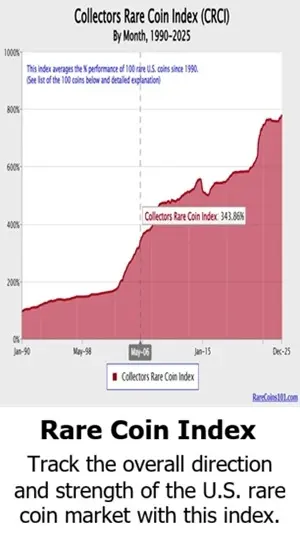
After decades of value-trend research, I’ve identified the U.S. rare coins with the strongest long-term appreciation records and created charts that help explain why the coins featured on my Key Date Coin List have stood apart from most other collectible coins over time. At Rare Coins 101, you’ll also find practical help for new collectors, guidance on where to buy coins, coin grading, what makes a coin valuable, the Collectors Rare Coin Index, thoughtful perspectives on coin investing, and much more for both new and advanced collectors.
Explore Rare Coins 101
Start with the topic that interests you most, from key date coin research to grading, buying, and market insight.

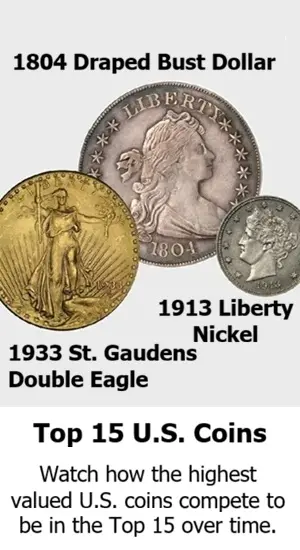

Take a Quick Tour of Rare Coins 101
In this short video, I’ll show you what Rare Coins 101 has to offer — from long-term value trend research and key-date coin insights to grading guidance, market analysis, and practical help for collectors at every level.
Why I Built Rare Coins 101
I’m Dan, the Rare Coin Man — a nickname that still makes me smile a little.
I built Rare Coins 101 because coin collecting can be exciting, rewarding, and, every now and then, a little painful on the wallet when you learn a lesson the hard way. I know that from experience.
Like a lot of collectors, I made purchases early on that seemed smart at the time, but later turned out to have nowhere near the long-term upside I had imagined. That led me to a question I couldn’t let go of: Why do certain U.S. rare coins rise so strongly in value while most others just sort of sit there like a bump on a log?
So, being a hopeless data nerd, I started digging.
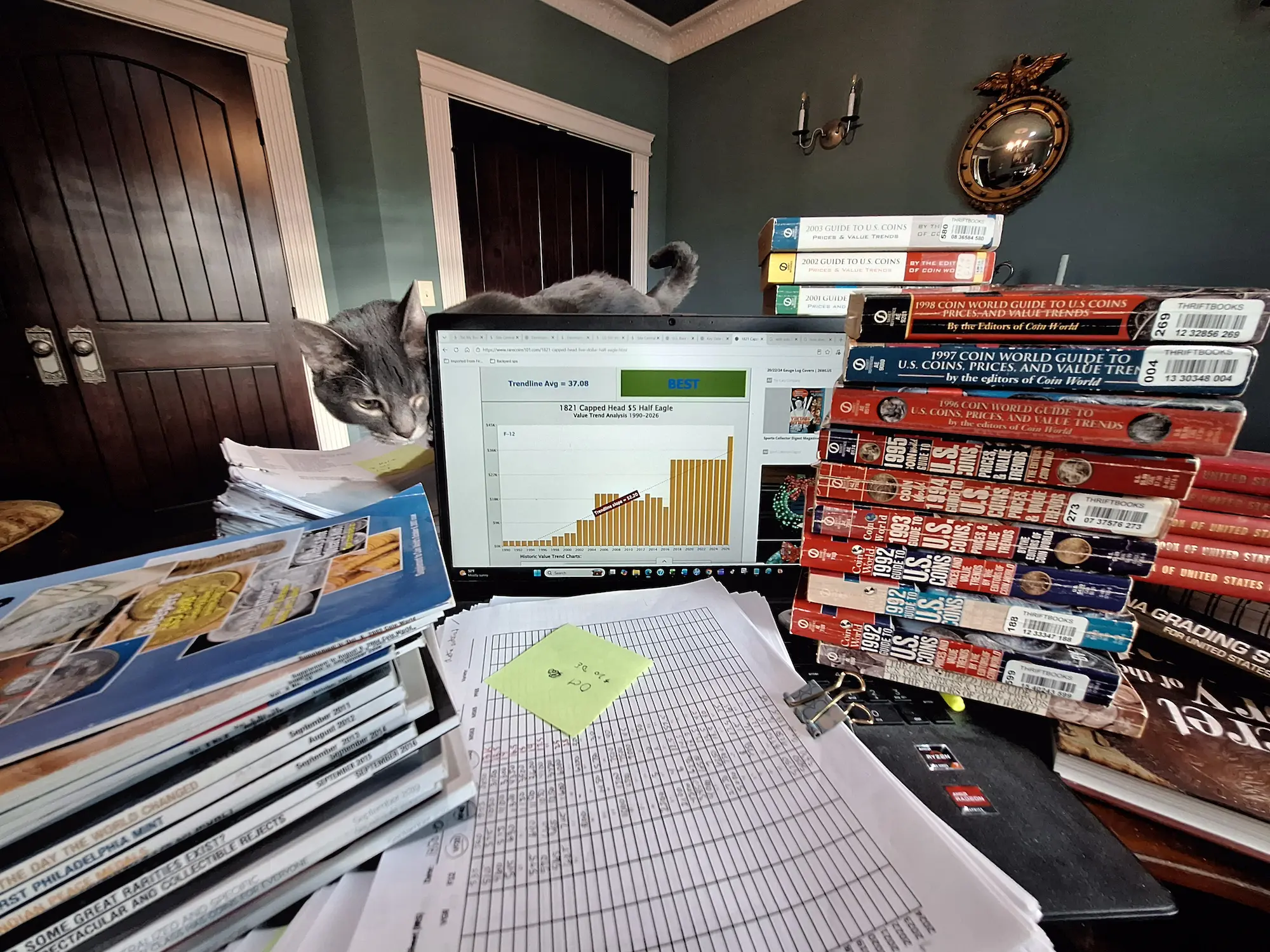
Over many years, I studied long-term coin value trends, compared dates and series, and looked for the rare coins that consistently stood apart from the rest. That research became the foundation for this site — especially the Key Date Coin List and the value-trend charts that help explain why some coins have earned their reputation the old-fashioned way: by actually performing over time.
But Rare Coins 101 is about more than chasing rising values. I also want to help collectors avoid common mistakes, understand grading, learn what really makes a coin valuable, find better places to buy coins, and enjoy the hobby with both eyes open. If you’re new, I want to help you get started on firmer ground. If you’ve been at this awhile, I hope the research here gives you a fresh angle to think about.
And yes, from time to time, I like to mix in a little oddball fun.
Because if we can’t enjoy ourselves while talking about old coins, price charts, and the occasional numismatic misadventure, we may be taking ourselves a bit too seriously.
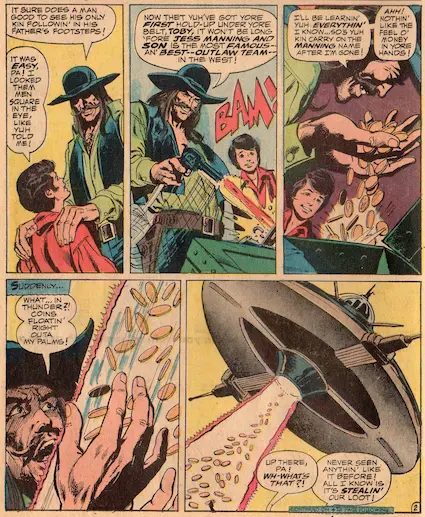
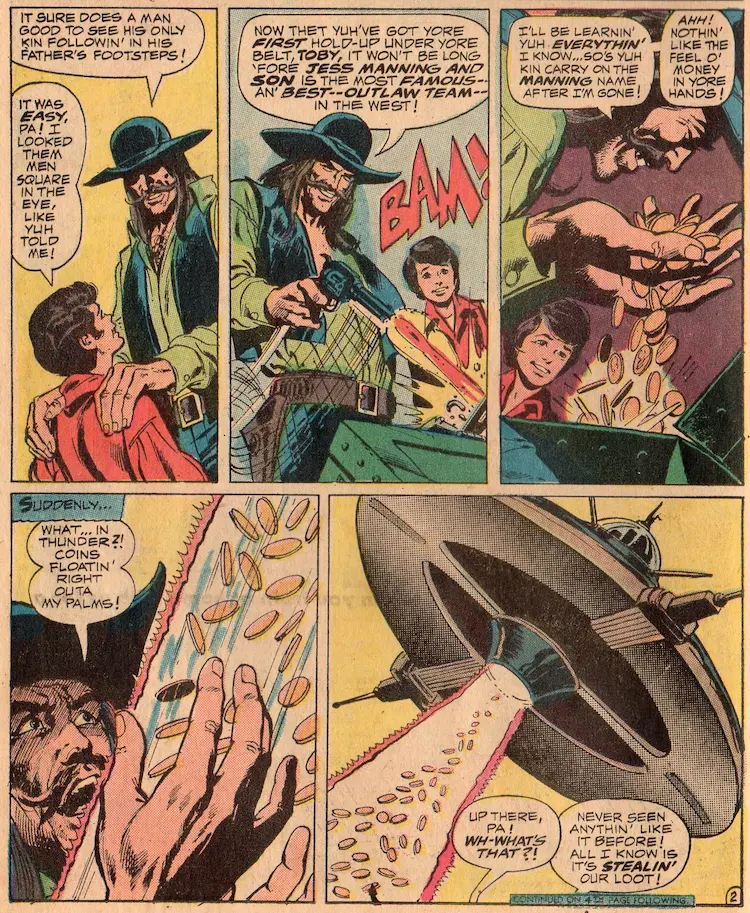
"Coins Floatin’ Right Outa My Palms!"
Webmaster Dan Goevert speaking here again...
I did my best to make Rare Coins 101 a serious educational site with a very practical goal: helping collectors identify the U.S. rare coins that have shown the strongest long-term potential for value growth.
But every now and then, I like to toss a little mischief into the coin bin.
Why? Because coin collecting should be enjoyable, not just educational. If we can’t have a little fun while talking about old coins, grading, price trends, and the occasional painful buying mistake, then we may be taking ourselves a bit too seriously.
So from time to time, you’ll run into something on this site that seems gloriously out of left field — an old comic-book memory, a strange image, a nostalgic detour, or some other bit of numismatic weirdness that appears to have wandered in unsupervised.
And yet, somehow, I usually find a way to connect it back to coins.
Which brings us to this fine example of offbeat nonsense: “Coins Floatin’ Right Outa My Palms!”
See? I told you this site wouldn’t be completely normal.
If it gives you a chuckle, sparks a memory, or simply makes your visit a little more enjoyable, then it has done its job. After all, learning tends to stick better when the journey has a little personality mixed in with the facts.
Sources
1. PCGS Coin Facts. The $4 Stella.